**Meta Description:**
Discover the shocking revelations about Andrew Mountbatten-Windsor’s behavior towards flight attendants. This article delves into the details of his alleged ‘shameless’ actions, providing insights and perspectives that will leave you questioning the royal family’s conduct. Read on to uncover the truth behind the headlines.
Andrew Mountbatten-Windsor’s ‘Shameless’ Behaviour Towards Flight Attendants Exposed
In recent weeks, allegations have surfaced regarding Andrew Mountbatten-Windsor, a member of the British royal family, and his purportedly inappropriate behavior towards flight attendants. This revelation has sparked widespread debate and concern, prompting many to question the standards of conduct expected from individuals in positions of privilege and power. In this article, we will explore the details of these allegations, the implications for the royal family, and the broader societal context surrounding such behavior.
The Allegations: What Happened on Board?
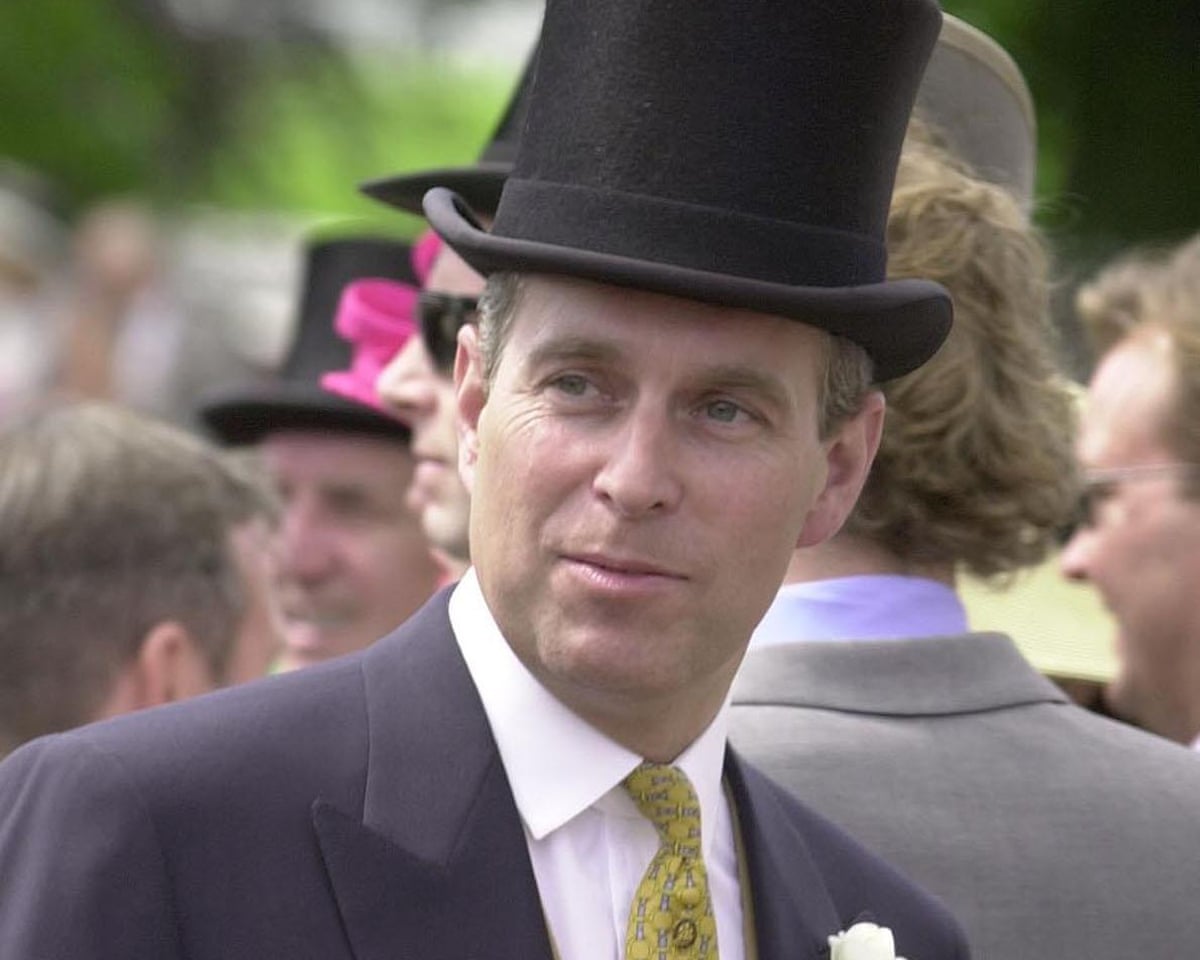
Reports indicate that during a recent flight, Andrew Mountbatten-Windsor exhibited what some have described as ‘shameless’ behavior towards the flight attendants. Eyewitness accounts suggest that he made inappropriate comments and engaged in actions that many found disrespectful. While the specifics of these interactions remain somewhat ambiguous, the overall sentiment among those present was one of discomfort and disapproval.
The flight attendants, who are trained to maintain a professional demeanor in all situations, reportedly felt undermined and objectified by the royal’s behavior. This incident raises important questions about the treatment of service staff, particularly in high-profile environments where power dynamics can often lead to exploitation or disrespect.
The Royal Family’s Response: Silence or Accountability?
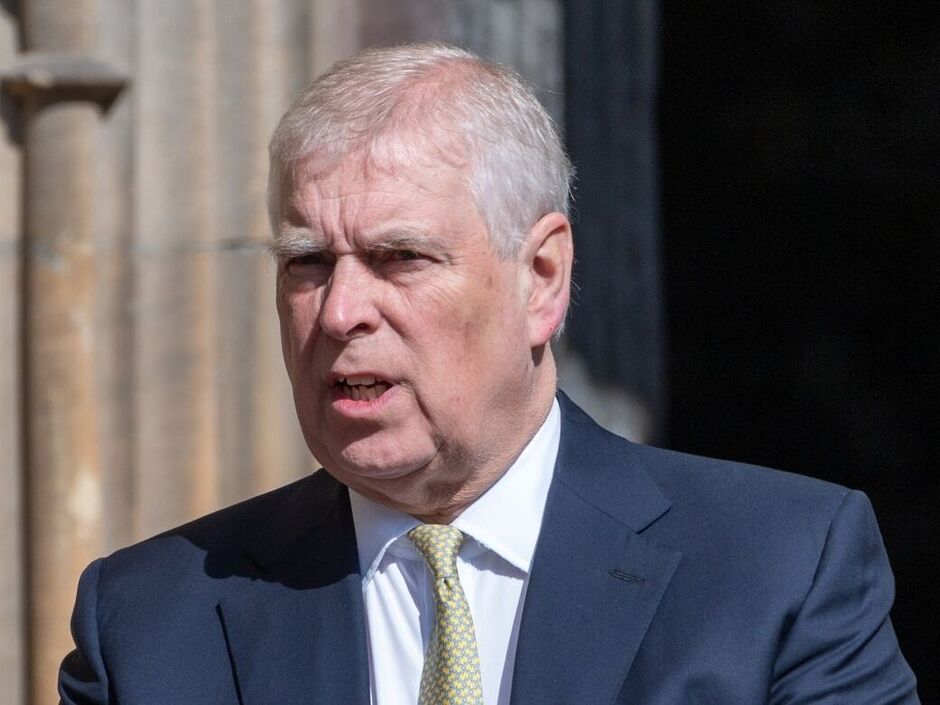
In the wake of these allegations, the royal family has remained largely silent. This lack of response has drawn criticism from various quarters, with many arguing that it reflects a broader issue of accountability within the monarchy. The British public has become increasingly vocal about the need for transparency and responsibility, especially when it comes to the actions of those in positions of authority.
The royal family has historically maintained a certain level of distance from public scrutiny, often relying on tradition and decorum to shield themselves from criticism. However, as societal norms evolve, there is a growing expectation that even royals should be held accountable for their actions, particularly when they intersect with issues of respect and dignity in the workplace.
This incident has reignited discussions about the treatment of service workers, who often find themselves at the mercy of those with greater power and privilege. The flight attendants’ experiences serve as a reminder of the importance of respect in all professional interactions, regardless of status.
Public Reaction: Outrage and Support for Flight Attendants
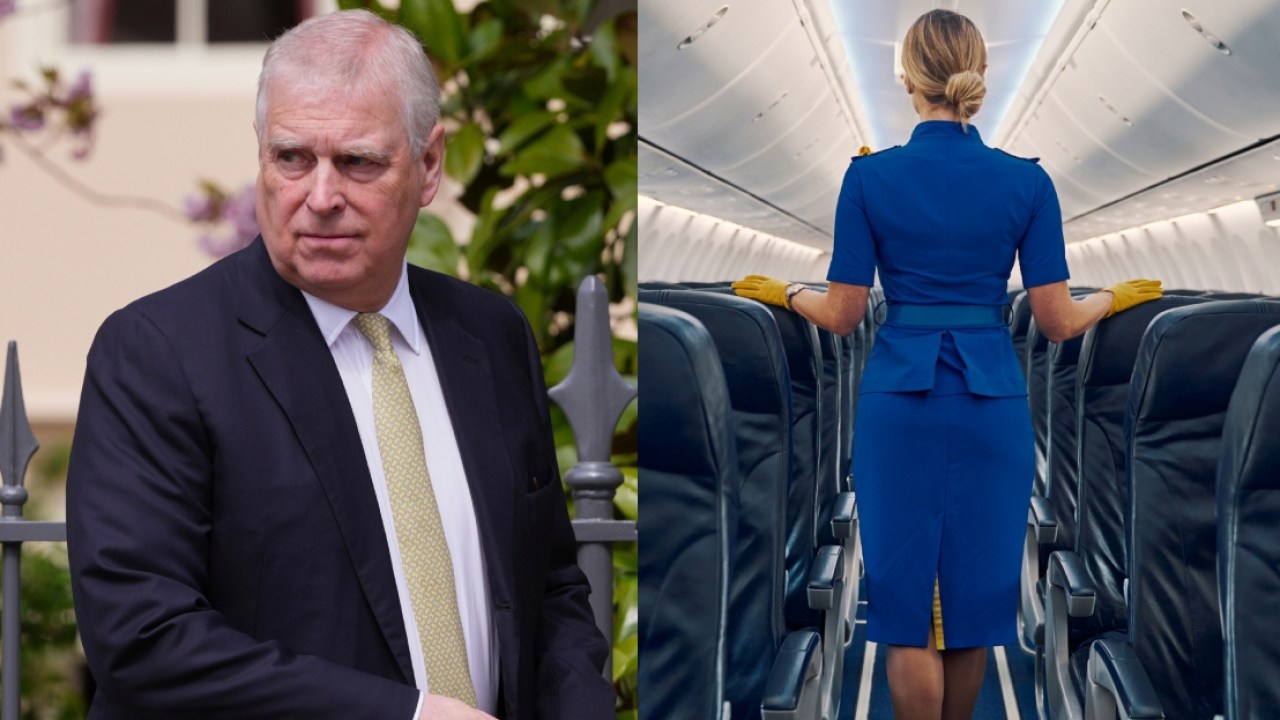
The public’s reaction to Andrew Mountbatten-Windsor’s alleged behavior has been mixed, with many expressing outrage at the perceived disrespect shown towards flight attendants. Social media platforms have become a battleground for opinions, with hashtags calling for accountability trending in response to the incident. Supporters of the flight attendants have rallied together, emphasizing the need for respect and dignity in all professions.
Conversely, some royal supporters have defended Andrew, arguing that the allegations may be exaggerated or taken out of context. This division highlights the complexities of public perception surrounding the royal family, as well as the challenges faced by those who serve them.
The incident has also sparked conversations about the broader implications of privilege and power dynamics in society. Many are calling for a reevaluation of how individuals in positions of authority interact with those in service roles, advocating for a culture of respect and equality.
Lessons Learned: The Need for Change

As the dust settles on this incident, it is clear that there are valuable lessons to be learned. The behavior attributed to Andrew Mountbatten-Windsor serves as a stark reminder of the importance of treating all individuals with respect, regardless of their position. It also underscores the need for organizations, including the royal family, to establish clear standards of conduct and accountability.
Training programs focused on respect, diversity, and inclusion can play a crucial role in fostering a culture of dignity in the workplace. By addressing power dynamics and encouraging open dialogue, organizations can create environments where all employees feel valued and respected.
Furthermore, the incident highlights the importance of speaking out against inappropriate behavior. Flight attendants and other service workers should feel empowered to report misconduct without fear of retaliation. Establishing robust reporting mechanisms and support systems can help ensure that all employees are treated fairly and justly.
The Future of the Royal Family: A Call for Transparency

As the royal family navigates the fallout from this incident, there is an opportunity for growth and change. Embracing transparency and accountability can help rebuild public trust and demonstrate a commitment to respectful interactions. By addressing these issues head-on, the royal family can set a positive example for others in positions of power.
In conclusion, the allegations against Andrew Mountbatten-Windsor serve as a critical reminder of the need for respect and accountability in all professional interactions. As society continues to evolve, it is essential that those in positions of privilege recognize their responsibility to treat others with dignity. Let us advocate for a culture of respect, where everyone, regardless of their role, is valued and heard.
If you believe in the importance of respect and accountability, join the conversation and share your thoughts on this issue. Together, we can work towards a more equitable and respectful society for all.