Question Time Controversy: Political Bias Allegations and Leaked Messages Shake the BBC
In recent weeks, the BBC’s flagship political debate program, Question Time, has become the center of a fierce controversy. An increasing number of viewers have accused the show of political bias, sparking heated debates across social media and traditional news outlets. However, what has caused even greater shock are the allegedly leaked internal messages from within the BBC, which threaten to plunge the broadcaster into its most significant crisis in years. These revelations have led many to say, “People will finally understand why the public is so angry,” highlighting a growing distrust in one of the UK’s most trusted media institutions.
Question Time Political Bias: What Are the Allegations?
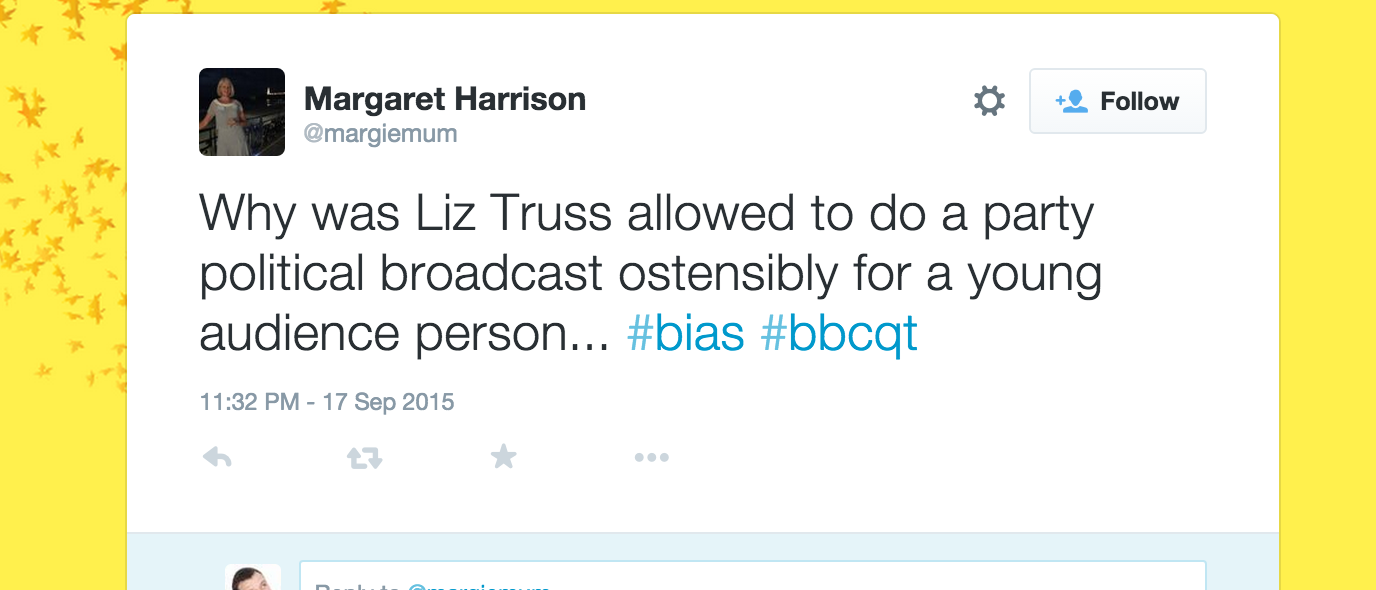
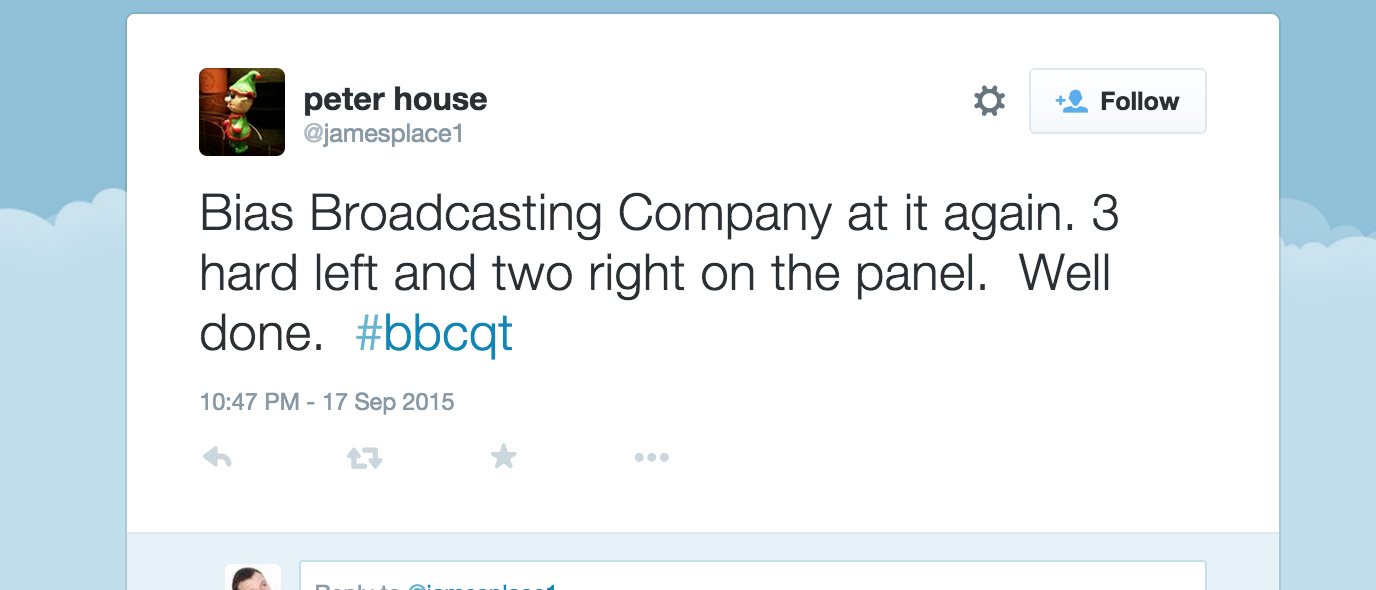
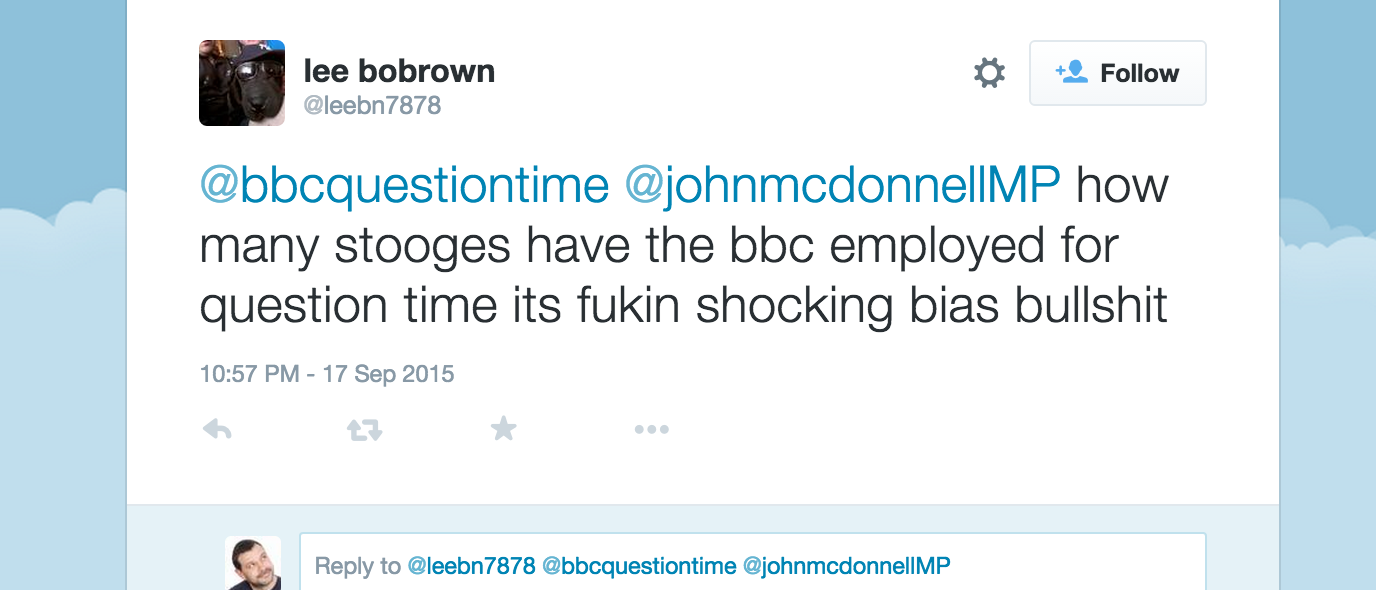
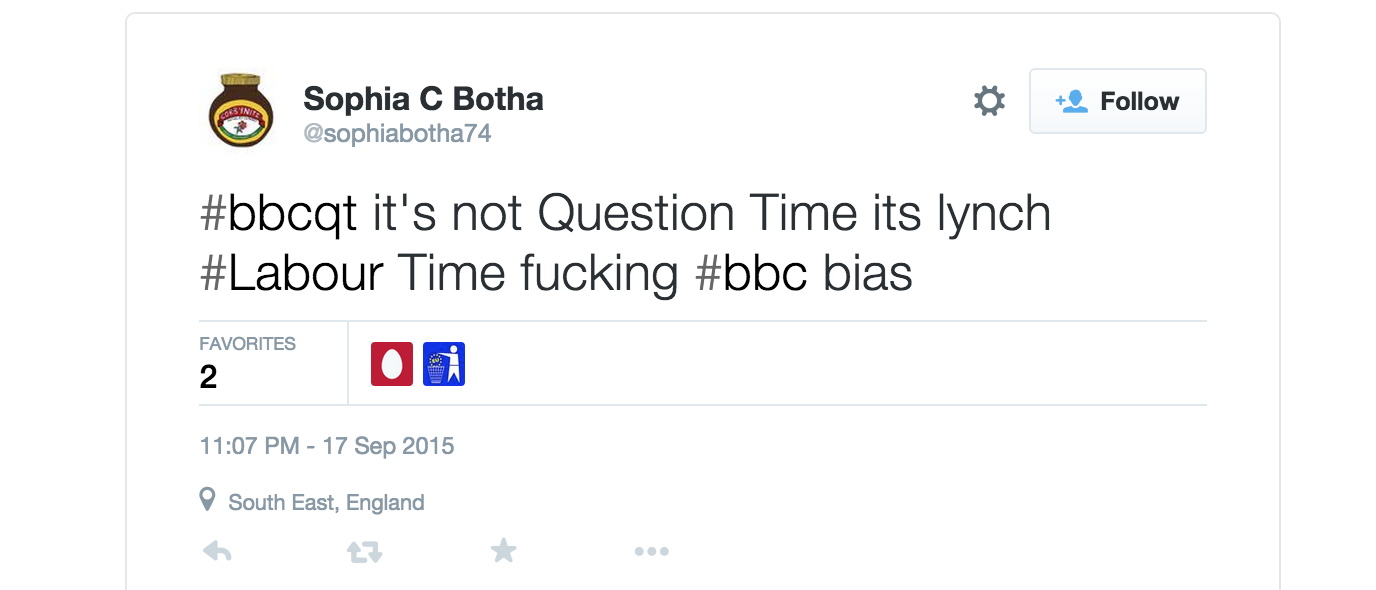
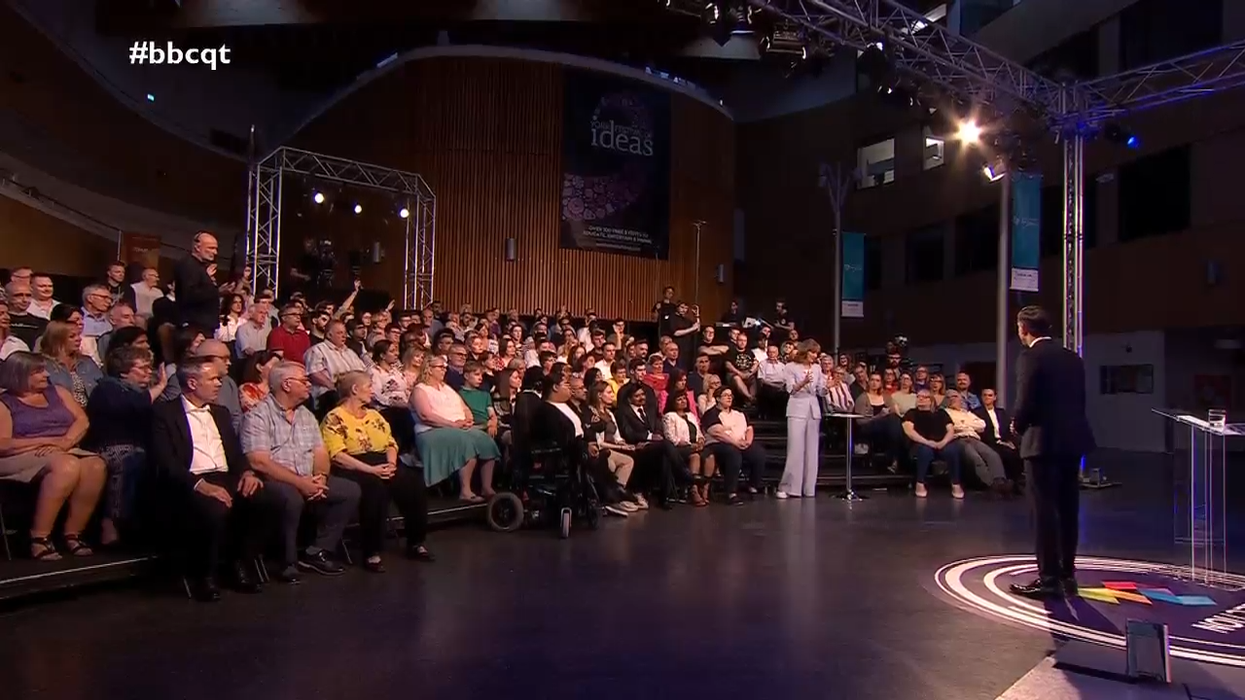
Question Time has long been regarded as a platform for robust political discussion, featuring politicians from across the spectrum and members of the public engaging in lively debate. However, recent episodes have drawn criticism from viewers who claim the program favors certain political parties or viewpoints. Complaints have ranged from perceived selective questioning to the framing of issues in a way that benefits particular political agendas.
The controversy intensified when several former BBC insiders reportedly leaked internal communications. These messages allegedly reveal discussions about editorial decisions, guest selections, and the framing of questions that suggest an intentional slant in favor of specific political interests. If true, these revelations could undermine the BBC’s longstanding commitment to impartiality and fuel public skepticism about media bias.
Leaked Internal Messages: The Catalyst for a BBC Crisis
The leaked internal messages have become the focal point of the controversy. According to sources, these communications expose behind-the-scenes deliberations that contradict the BBC’s public stance on neutrality. Some messages reportedly show producers debating how to handle sensitive topics or which guests to invite to shape the narrative in a particular direction.
This breach of confidentiality has not only embarrassed the BBC but also raised serious questions about editorial integrity. Media watchdogs and political commentators have called for an independent investigation to determine the extent of bias and whether it has influenced the program’s content and presentation.
The potential fallout is significant. The BBC, funded by the public through the license fee, relies heavily on its reputation for fairness and trustworthiness. A confirmed bias scandal could lead to calls for reform, funding cuts, or changes in leadership, further destabilizing the broadcaster.
Why the Public’s Anger Is Growing Toward Question Time and the BBC
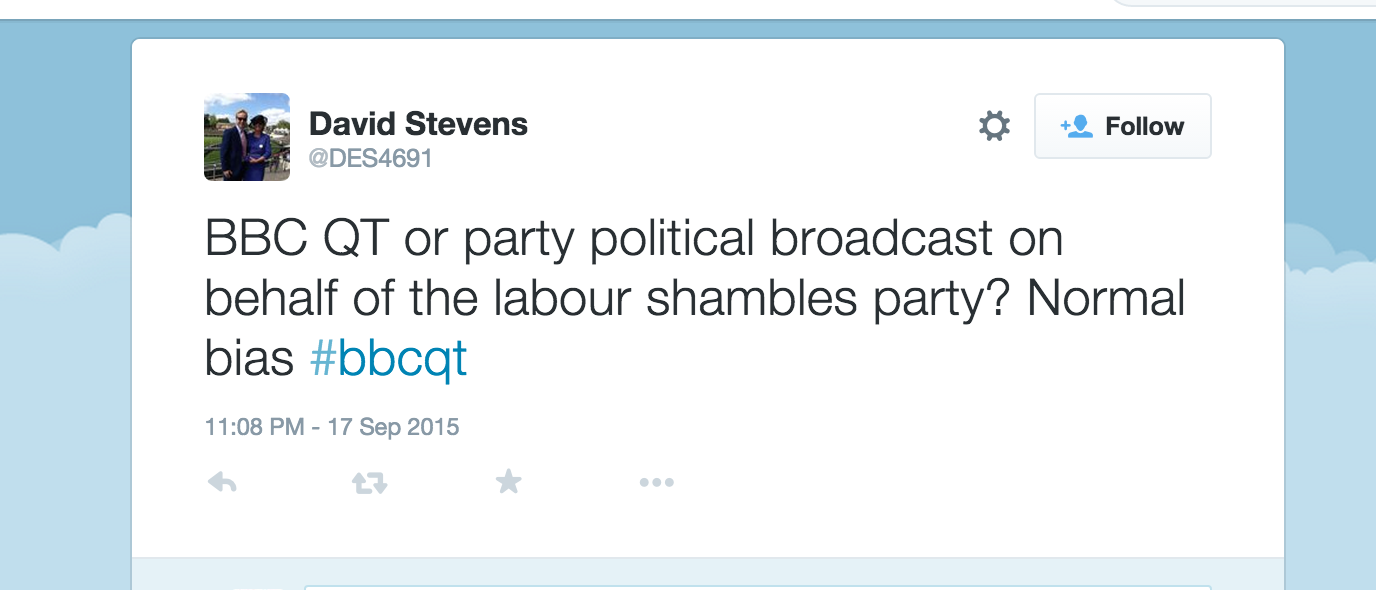
The controversy surrounding Question Time is emblematic of a broader crisis of confidence in mainstream media. Many viewers feel that traditional news outlets, including the BBC, no longer represent a balanced or accurate portrayal of political realities. The leaked messages have only intensified this sentiment, making it clear to many why public anger has been simmering for years.
Critics argue that the perceived bias contributes to political polarization and undermines democratic discourse. When a major platform like Question Time is seen as partial, it erodes trust not only in the program but in journalism as a whole. This erosion of trust has serious implications for public engagement and the health of democracy.
Moreover, the timing of the controversy is critical. With upcoming elections and significant political challenges facing the UK, the demand for unbiased, transparent media coverage has never been higher. The BBC’s handling of this crisis will likely influence public perception for years to come.
Steps the BBC Could Take to Restore Trust
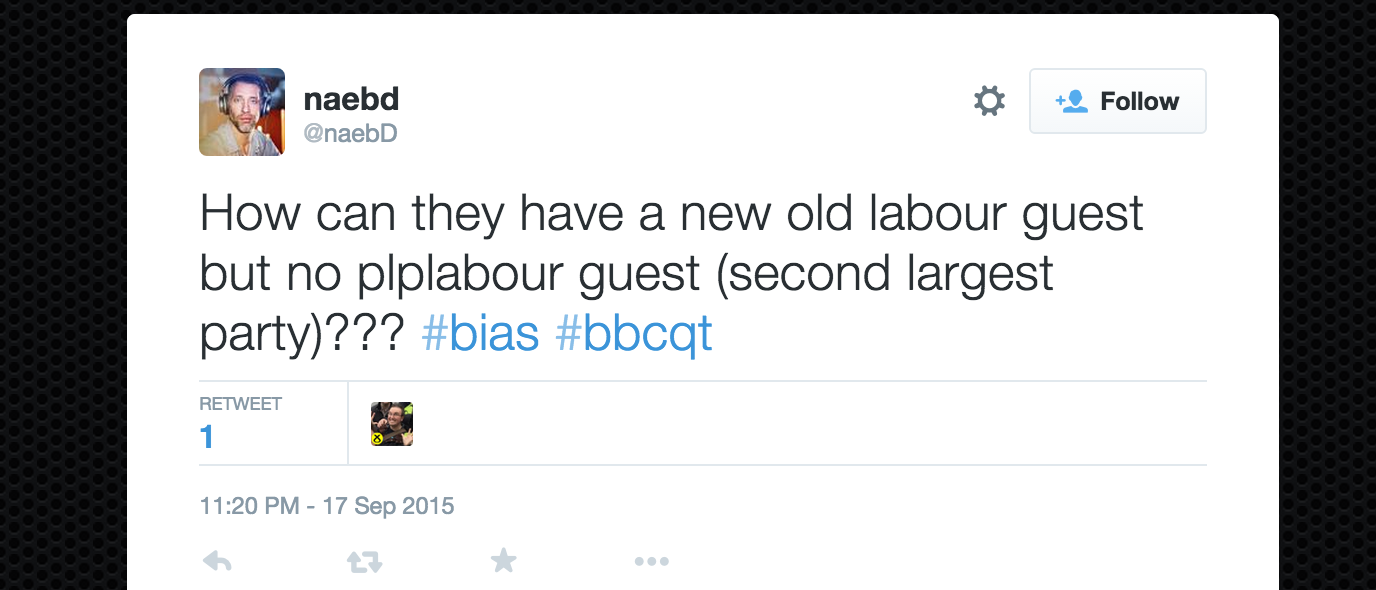
In response to the controversy, the BBC has issued statements reaffirming its commitment to impartiality and announcing plans to review the editorial processes behind Question Time. Experts suggest several measures that could help restore public confidence:
– **Independent Review:** Commissioning an external investigation into the leaked messages and editorial practices.
– **Transparency:** Increasing openness about guest selection criteria and editorial decision-making.
– **Audience Engagement:** Creating forums for viewer feedback and concerns to be addressed directly.
– **Editorial Training:** Reinforcing impartiality standards among producers and presenters.
Implementing these steps could help the BBC demonstrate accountability and rebuild trust with its audience.
Conclusion
The Question Time controversy has exposed deep fissures in public trust toward the BBC and mainstream media. Allegations of political bias and the impact of leaked internal messages have created a storm that could lead to significant changes within the broadcaster. As viewers and stakeholders await the BBC’s next moves, it is clear that transparency and impartiality must be prioritized to heal this rift. If you value fair and balanced political discourse, stay informed and hold media organizations accountable by sharing your views and demanding integrity in journalism.